Mindglad
Does Sleep Hypnosis Actually Work?
Does sleep hypnosis work, or is it a gimmick? Here is what it is, what the evidence says, and a simple way to try hypnosis for sleep tonight to fall asleep faster.
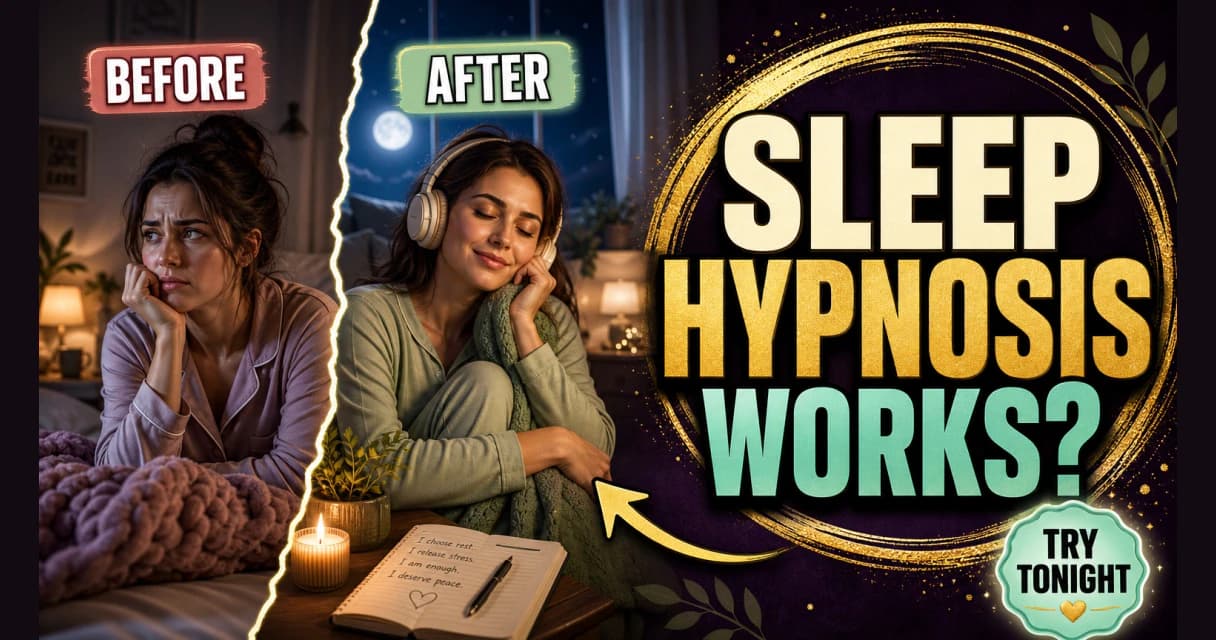
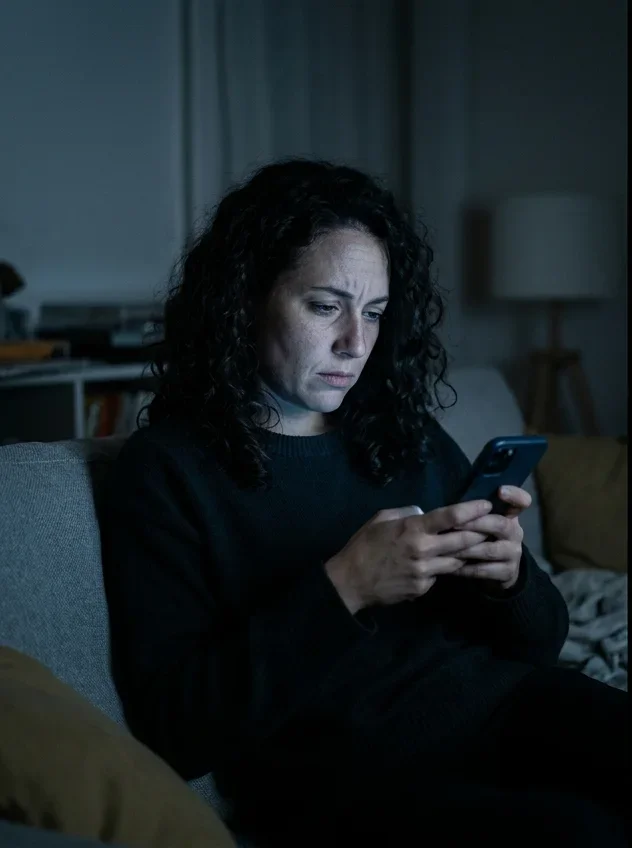
If you have ever lain awake at 2am with a mind that will not switch off, you have probably wondered whether sleep hypnosis is worth a try — or whether it is just another internet promise. Here is an honest look at what sleep hypnosis is, what the evidence actually says, and a simple way to try it for yourself tonight.
What is sleep hypnosis?
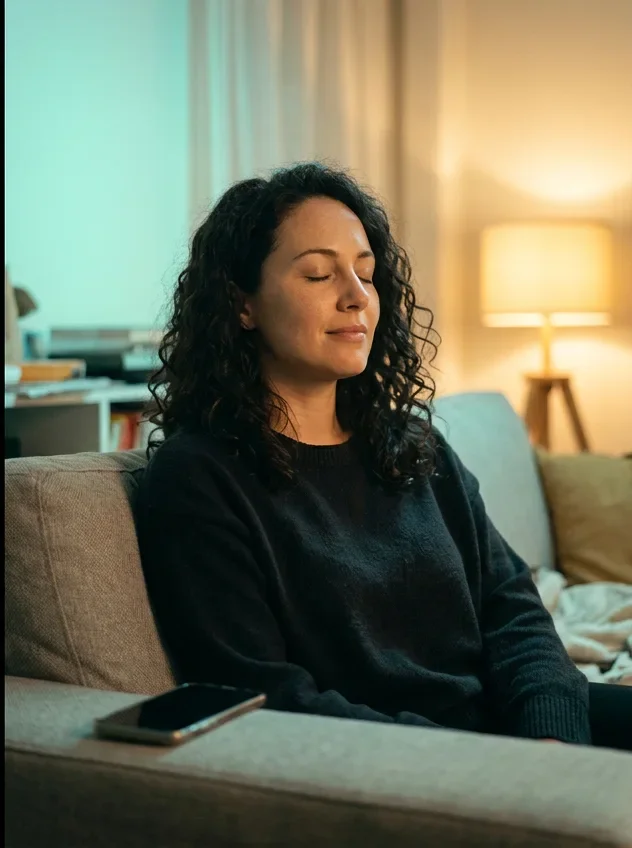
Sleep hypnosis is a guided, deeply relaxed state used to help you let go of the day and drift off. A voice (or your own inner narration) walks you into calm, slows your breathing, and offers gentle suggestions of heaviness, safety, and rest. It is not stage hypnosis and not unconsciousness — it is closer to the drowsy, absorbed state you naturally pass through on the way to sleep, reached on purpose.
Does sleep hypnosis actually work?
For a lot of people, it genuinely helps — and there is reason to believe it. Hypnosis-based relaxation is used clinically to support sleep, and studies of guided relaxation and hypnotic suggestion have shown improvements in how quickly people fall asleep and how rested they feel, particularly for those whose sleep is wrecked by a racing mind and stress. It is most effective for onset insomnia — trouble falling asleep — because that is usually driven by an over-active nervous system, which is exactly what relaxation targets.
It is not a cure-all. If your sleep problems come from an untreated medical issue (like sleep apnea) or severe chronic insomnia, hypnosis is a helpful tool alongside, not instead of, professional care.
Why it works: you can't force sleep
Sleep is not something you can will into happening — the harder you try, the more awake you feel. What you can do is lower the arousal that keeps you awake. Sleep hypnosis does that by shifting you out of "fight or flight" and into "rest and digest": breathing slows, muscles loosen, and the mind gets something calm and repetitive to follow instead of tomorrow's to-do list. Once the brakes come off, sleep arrives on its own.
How to try sleep hypnosis tonight
You can try a simple version right now:
- Set the scene. Lights low, phone away, lying down comfortably.
- Slow the breath. Breathe in for 4, out for 6 or more. The long exhale is the sedating part.
- Soften your body. Move your attention slowly from your forehead to your toes, releasing each area.
- Count down. Imagine drifting downward and count slowly from 10 to 1, feeling heavier with each number.
- Repeat a calm suggestion. "My body is heavy and safe. Sleep comes easily." Let the words blur — you do not need to finish.
Pace the breath first with the tool below (the 4-7-8 pattern is made for sleep):
Timing helps too. The free calculator below shows the best time to go to bed based on your 90-minute sleep cycles, so you are not fighting your body clock as well as your mind:
Sleep hypnosis vs meditation for sleep
They overlap, but the emphasis differs. Sleep meditation usually trains open awareness — noticing thoughts without following them. Sleep hypnosis is more directive: it actively suggests heaviness, calm, and sleep, which many people find easier when their mind is racing and "just noticing" feels impossible. You do not have to choose; a good wind-down often blends both.
An easier way to fall asleep
Guiding yourself while also trying to relax is a tall order at midnight. It is far easier to close your eyes and follow a voice. Mindglad’s sleep hypnosis sessions do exactly that — short, gently-guided wind-downs with read-along transcripts that slow a racing mind and ease you toward rest, right in your browser with no download. Take the 2-minute quiz for a free sleep plan built around your nights.
Sleep hypnosis FAQ
Is sleep hypnosis safe?
For most people, yes — it is gentle and you stay in control. The intended outcome is that you fall asleep, so there is no "waking up" step to worry about.
Can sleep hypnosis cure insomnia?
It can meaningfully help insomnia driven by stress and a racing mind, especially trouble falling asleep. It is a supportive practice, not a medical treatment; see a professional for ongoing or severe insomnia.
How long until sleep hypnosis works?
Some people fall asleep faster the very first night; for most, the benefit grows over a couple of weeks of nightly practice as the wind-down becomes a reliable cue.
Do I need headphones?
They make it more immersive, but a quiet room and your phone speaker work fine.
Frequently asked questions
Does sleep hypnosis actually work?
Many people find sleep hypnosis helps them fall asleep faster by relaxing the body and quieting a racing mind. Evidence is promising for relaxation and sleep onset, and it tends to work better the more you practise.
What is the best sleep hypnosis?
The best one is a calm, guided audio session with a voice you find soothing, used lying down in the dark. Look for sessions designed to wind you down with slow pacing and a gentle, repetitive focus.
What is the best trick to fall asleep quickly?
Slow your breathing with a long exhale, keep the room cool and dark, and give your mind one calm thing to follow — like a guided sleep session — instead of letting it problem-solve.
Is sleep hypnosis safe?
Yes, for most people it is a safe, gentle relaxation practice. Listen lying down somewhere comfortable, and speak to a doctor if you have a sleep disorder that is not improving.